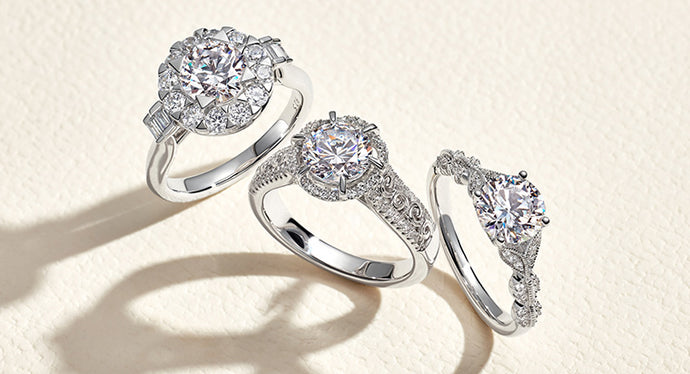

If you’ve ever found yourself standing in a jewellery store, squinting at a ring and wondering whether the sparkle staring back at you is “the real deal,” you’re not alone. I still remember the first time I encountered a diamante moissanita. I wasn’t even shopping for myself—just tagging along with a friend who was deep in the trenches of engagement ring hunting. The jeweller placed a stone under the light, gave a knowing smile, and said, “Just watch.”
And honestly? It was dazzling. Not in a loud, flashy way, but in that crisp, rainbow-lit brilliance you normally only see when sunlight hits the ocean just right.
That moment sparked a fascination in me, and over the past few years—especially here in Australia—moissanite has moved from “alternative option” to a serious contender in the world of fine jewellery. If you’re curious about the hype, the ethics, or the real-world experience of owning one, stick with me. There’s a lot more to this gemstone than most people realise.
Table of Contents
So… What Exactly Is Diamante Moissanita?
You might not know this, but moissanite wasn’t originally from Earth. It was discovered in a meteor crater back in the late 1800s, which honestly sounds like the start of a sci-fi jewellery commercial.
Because natural moissanite is extremely rare—think rarer than actual diamonds—the stones you see in stores today are all created in a lab. But don’t let the “lab” part fool you into thinking it’s not a genuine gemstone. Lab-grown doesn’t mean fake. It simply means scientists recreated the same mineral structure using controlled conditions.
A diamante moissanita is known for three standout qualities:
1. Insane Sparkle (Seriously)
Moissanite has a higher refractive index than diamonds, meaning it bends light in a way that creates more coloured flashes. Some people adore this; others prefer the white sparkle of diamonds. It’s really a matter of taste.
2. Strength That Rivals Diamonds
On the Mohs hardness scale, diamonds sit at a perfect 10. Moissanite ranks at 9.25, which makes it one of the most durable gemstones you can wear daily—perfect for engagement rings, wedding bands, and anything you don’t want to baby.
3. Ethical and Sustainable Origins
Because moissanite is lab-grown, there’s no mining, no environmental disruption, and no murky supply chain to lose sleep over. For many couples, that’s a major win.
The “Diamond vs Moissanite” Dilemma
This debate comes up a lot, especially when couples are working within a budget but don’t want to sacrifice aesthetics. And I get it—shopping for jewellery can be emotional, symbolic, and a bit stressful.
A lot of readers have asked whether moissanite is trying to “replace” diamonds. The truth? These stones aren’t competing. They’re just different. Some people fall madly in love with a traditional diamond. Others look at moissanite and think, “Why hasn’t anyone told me about this sooner?”
If you’re on the fence, I’d genuinely recommend reading more in-depth comparisons like this one about diamante moissanita—it breaks down the advantages and disadvantages in a really practical way.
One thing I will say is this: moissanite isn’t “pretending” to be a diamond. It has its own character, its own fire, its own personality. And that’s probably why it’s becoming so popular with people who want something meaningful but less predictable.
A Quick Detour: Lab Made Diamonds Aren’t the Same as Moissanite
This is a super common misunderstanding. Moissanite is a different mineral entirely.
Lab made diamonds, on the other hand, are actual diamonds. They just grow in a controlled environment instead of underground over millions of years.
Chemically and visually, lab-grown diamonds match mined diamonds. And honestly, as someone who’s seen both up close, I was surprised to learn that even trained jewellers sometimes need specialised tools to tell them apart.
If you’re exploring wedding jewellery or gifts, there’s a great, easy-to-read guide on lab made diamonds that explains why they’ve become popular for modern couples.
But back to moissanite—you’d choose it not because you want a diamond replica, but because you want a stone with exceptional fire, durability, and affordability.
Why Australians Are Falling in Love with Moissanite
I’ve noticed a shift, especially among younger buyers across Australia—from Sydney to Perth to the Sunshine Coast. There’s a definite movement toward sustainable luxury. People want to know:
Where did this come from? How was it made? Who benefits when I buy it?
Moissanite ticks all those ethical boxes without forcing anyone to compromise on style or sparkle.
But there’s another, more practical reason:
Budget without guilt.
Let’s talk numbers without getting too nerdy. A one-carat moissanite stone can cost a fraction of the price of a one-carat diamond. And since many people now prioritise travel, home deposits, or just financial breathing room, spending tens of thousands on a ring isn’t always appealing.
With moissanite, you genuinely get the luxury look without the luxury price tag. Plenty of my readers have told me it let them choose a larger stone or a more intricate setting without stretching their budget into panic territory.
How Moissanite Performs in Real Life (From Someone Who Wears It Daily)
Remember the friend I mentioned earlier? She went with moissanite—1.8 carats, oval cut. A stunner. Over the years I’ve watched how well that stone has held up.
Here’s what stood out:
It Doesn’t Cloud or Dull
Some people worry that moissanite might lose its sparkle. It doesn’t. Hers looks as bright as the day she bought it.
It’s Incredibly Tough
She’s a nurse. Her ring gets banged around more than most. No scratches. No chips. No drama.
People Compliment It Constantly
Not once has anyone questioned whether it’s a diamond. And even if they did, she’d probably just shrug and say, “It’s moissanite, and I love it.”
One thing she did mention is that moissanite can show more rainbow fire under harsh lighting—like supermarket or office lights. Some people adore the extra sparkle; others prefer the icy-white flash of diamonds. It’s worth trying different stones under different lighting before deciding.
Choosing the Right Cut, Setting, and Style
Whether you’re shopping for yourself or someone special, moissanite works beautifully in almost every design. But a few cuts, in my opinion, absolutely shine.
Oval
Elegant, elongating, and incredibly flattering. This cut shows off moissanite’s brilliance without being too “disco ball.”
Round Brilliant
The classic. If you want maximum sparkle, this is it.
Emerald Cut
This one is interesting because emerald cuts emphasise clarity rather than fire. Moissanite still performs beautifully here, though with more subtle glimmers instead of rainbow flashes.
Cushion Cut
Soft, romantic, timeless.
As for settings, platinum and 18k gold are the most durable. Moissanite works with halo designs, solitaire styles, vintage-inspired rings—you name it.
A Few Things Buyers Should Know (That Jewellers Don’t Always Mention)
Here’s the little fine-print no one seems to talk about:
Moissanite Has a Slightly Different Sparkle Profile
It’s more colourful. Some adore it. Some want something quieter. Try it on in sunlight, indoors, and under LEDs.
Bigger Stones Show More Fire
Anything over two carats can get pretty dramatic. If you love a bold look, go for it.
You Must Clean It (But It’s Easy)
Oil buildup can dull the surface temporarily. A soft toothbrush and warm soapy water will fix that in seconds.
It Won’t Appreciate in Value
But then again, neither do most diamonds. Jewellery isn’t usually an investment—it’s a symbol, an artwork, a memory you wear.
Why Moissanite Feels Right for This Moment in Time
I’ve interviewed jewellers, gemologists, and everyday couples, and there’s a shared sentiment that keeps coming up:
People want meaning, comfort, and honesty—not pressure or outdated rules.
Choosing moissanite often feels like choosing:
- style without guilt
- ethics without compromise
- luxury without financial strain
In a world where everything feels increasingly expensive, there’s something refreshing about a gemstone that gives you freedom instead of stress.
If You’re Still Deciding… Here’s My Honest Take
Try on a moissanite ring in person. Don’t rely on photos—they’re flattering but don’t tell the whole story.
Hold it next to a diamond. Rotate it under the light. See how it makes you feel. Jewellery is emotional. If your heart does a little flip when it sparkles, that’s your answer—regardless of what anyone else thinks.
And remember: moissanite doesn’t replace tradition; it expands it. It gives you another option, another pathway to express love or celebrate milestones.
Final Thoughts: Let Your Choice Tell Your Story
At the end of the day, jewellery isn’t about price tags or social expectations. It’s about wearing something that feels like you. Something that tells your story every time it catches the light.
Whether you’re drawn to the cosmic origins of diamante moissanita, the innovation behind lab-grown gems, or simply the practicality of a stone that won’t cost you a house deposit, your choice is already valid.
And honestly? There’s something kind of poetic about wearing a gemstone born from a star—especially during a time when we’re all trying to hold onto a little more magic wherever we can find it.