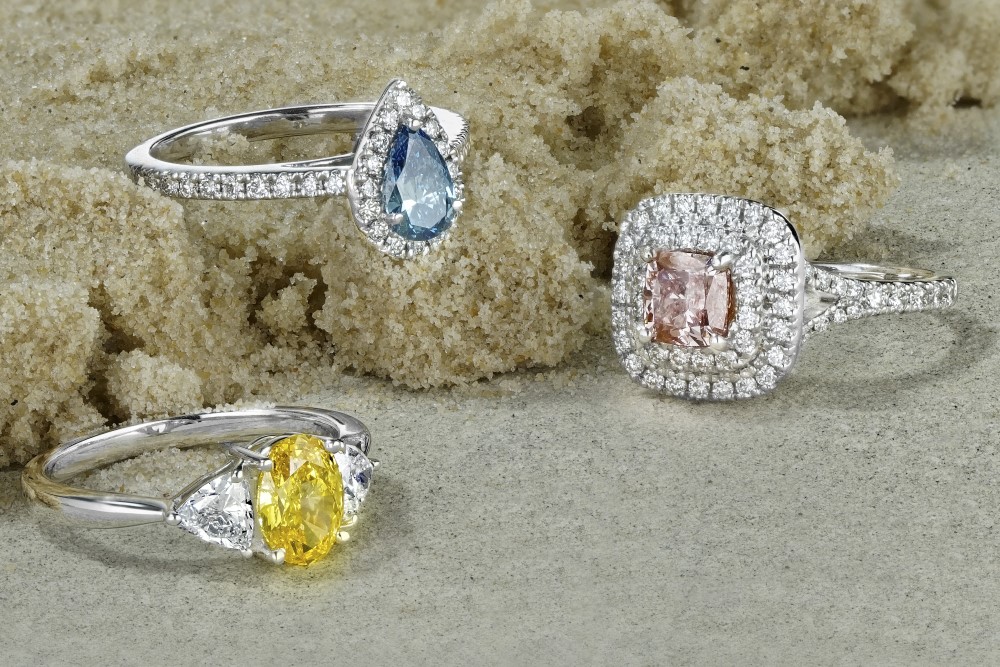
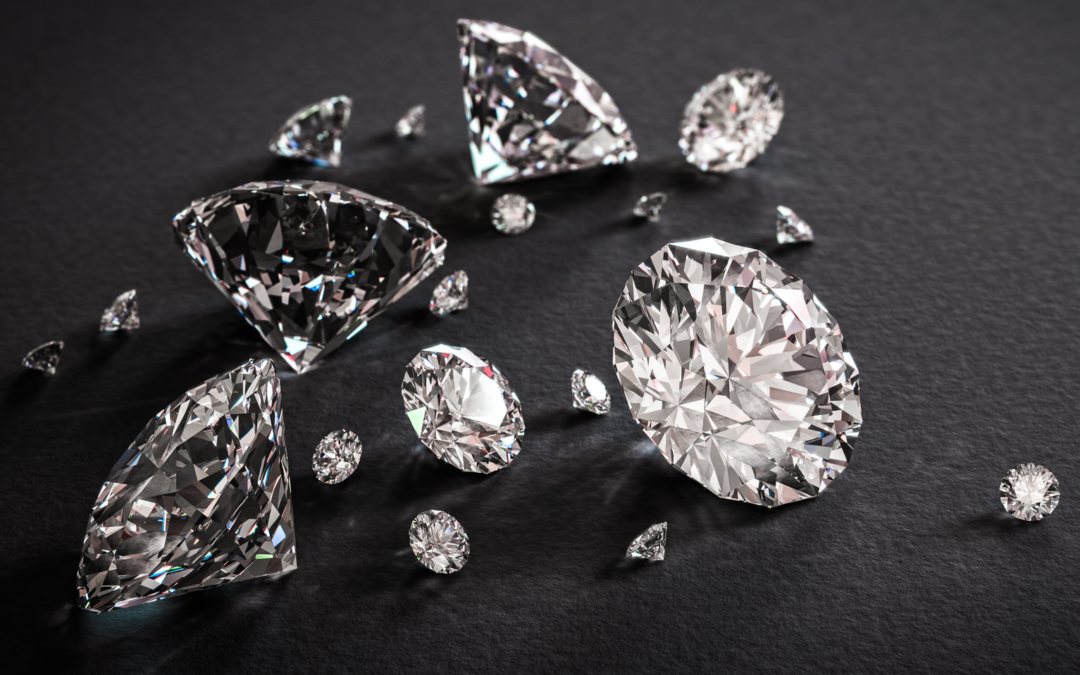
Diamonds have captivated humanity for hundreds of years with their brilliance, rarity, and symbolism. Traditionally mined from deep inside the Earth, diamonds have been lengthy considered the last expression of luxury and commitment. However, the industry is present process a metamorphosis, pushed through both era and converting client values. To honestly respect this evolution, it’s vital to apprehend two essential elements: the diamond 4Cs and the developing recognition of artificial diamonds.
Table of Contents
What Are the Diamond 4Cs?
When buying a diamond—whether or not natural or lab-grown—expertise the 4Cs is prime to making an informed decision. Developed by the Gemological Institute of America (GIA), the 4Cs stand for Cut, Color, Clarity, and Carat weight. These criteria are used globally to assess the first-rate and fee of a diamond.
Cut: The Sparkle Factor
Cut refers to how well a diamond has been fashioned and faceted, which immediately affects the way it reflects light. A well-cut diamond will sparkle intensely, even supposing it doesn’t rank as enormously in the different Cs. The cut is perhaps the most crucial of the 4 as it determines the stone’s standard brilliance and fireplace.
Cut grades variety from Excellent to Poor, and those rankings are primarily based on proportions, symmetry, and polish. Whether you’re shopping a mined or a man-made stone, a advanced reduce can elevate the entire appearance of the diamond.
Color: Less Is More
Diamonds are graded on a coloration scale from D (colorless) to Z (mild yellow or brown). The closer a diamond is to being absolutely colorless, the extra precious it has a tendency to be. Colorless diamonds permit greater light to skip through, increasing their radiance.
Interestingly, lab-created diamonds often show much less colour obviously, which gives them a bonus on this category. Because they’re grown in managed environments, impurities are less complicated to manipulate, resulting in better shade grades with out the top rate pricing.
Clarity: Inclusions and Blemishes
Clarity assesses the presence of internal flaws (inclusions) or external blemishes. Grading runs from Flawless (no seen imperfections under 10x magnification) to Included (flaws are seen to the bare eye). Most diamonds have a few imperfections, but many are microscopic and don’t impact visible beauty.
Lab-grown diamonds often have fewer inclusions due to the fact their creation avoids the chaotic pressures of the Earth’s crust. That said, a few man-made stones do incorporate metallic inclusions from the boom manner, which can be identified by using gemologists however are commonly invisible to customers.
Carat Weight: Size Matters—Sometimes
Carat refers to a diamond’s weight, now not its size. One carat equals two hundred milligrams. While higher carat weights commonly suggest larger and greater high-priced diamonds, brilliance and visual effect also can be inspired with the aid of cut and shape.
One of the primary advantages of choosing a man-made diamond is the capacity to get a larger stone for the identical budget. Because lab-created diamonds are extra low-priced in keeping with carat, consumers can often purchase a greater great gem with out compromising on excellent.
The Rise of Man-Made Diamonds
Technological advancements have made it possible to create diamonds in a lab which are definitely identical to those mined from the Earth. These lab-grown diamonds—additionally referred to as artificial or cultured diamonds—have the identical chemical, bodily, and optical homes as natural diamonds.
High Pressure High Temperature (HPHT)
Mimics the herbal formation of diamonds through applying extreme heat and pressure to carbon.
Chemical Vapor Deposition (CVD)
Uses a hydrocarbon gasoline mixture to deposit layers of carbon onto a substrate, finally forming a diamond.
These techniques produce real diamonds, no longer imitations like cubic zirconia or moissanite. In truth, only trained gemologists with specialized gadget can distinguish between natural and lab-grown stones.
Why Consumers Are Choosing Lab-Grown Diamonds
Several compelling reasons explain the increasing appeal of artificial diamonds:
Ethical and Environmental Considerations
Mined diamonds can come with huge environmental and moral costs, together with habitat destruction, water consumption, and human rights violations in conflict zones. Lab-grown diamonds, alternatively, have a much smaller environmental footprint and aren’t associated with warfare mining.
Cost-Effectiveness
Lab-created diamonds generally cost 30-40% less than their natural counterparts. This rate distinction lets in customers to cognizance on better quality or a bigger carat without breaking the bank.
Customization and Availability
Because man-made diamonds are created in controlled environments, they provide more consistency and availability. Consumers also can advantage from quicker manufacturing timelines and greater options for personalisation.
How the Diamond 4Cs Apply to Man-Made Diamonds
The 4Cs are just as applicable when evaluating lab-grown diamonds. Most official dealers offer grading reviews from recognized gemological establishments, ensuring transparency in reduce, shade, clarity, and carat weight. It’s vital to observe that lab diamonds are held to the same requirements as herbal ones, making direct comparison simpler.
Additionally, shoppers ought to be aware that even as lab-grown diamonds hold intrinsic cost, they may now not respect through the years inside the equal manner mined diamonds occasionally do. However, for the ones prioritizing splendor, ethics, and fee over funding ability, lab diamonds gift an amazing opportunity.
Choosing the Right Diamond for You
Whether you’re making plans an offer, celebrating an anniversary, or treating your self to a bit of great rings, information the diamond 4Cs is crucial to creating a significant and informed preference. Thanks to the growing availability of artificial diamonds, customers now have more options than ever earlier than.
It’s an awesome concept to keep from reputable stores that offer each sorts of diamonds and are obvious about grading certifications. Many now provide aspect-by using-side comparisons to help you check which stone great suits your needs and values.
Tips for First-Time Buyers
- Request certification: Always pick diamonds that include a grading document from a recognized gemological institute (e.G., GIA, IGI).
- Know your priorities: Decide which of the 4Cs count number maximum to you—some may also value size, whilst others prioritize readability or ethical sourcing.
- Consider long-time period choices: Trends change, but undying great and craftsmanship in no way go out of favor.
Final Thoughts
The diamond industry is evolving, and consumers are more and more looking for options that align with cutting-edge values with out sacrificing splendor or exceptional. By knowledge the diamond 4Cs and exploring the opportunities presented by way of man made diamonds, customers could make empowered selections rooted in both knowledge and private values.
In a international wherein innovation meets subculture, the flicker of a diamond now comes with a tale—one which you get to pick.