


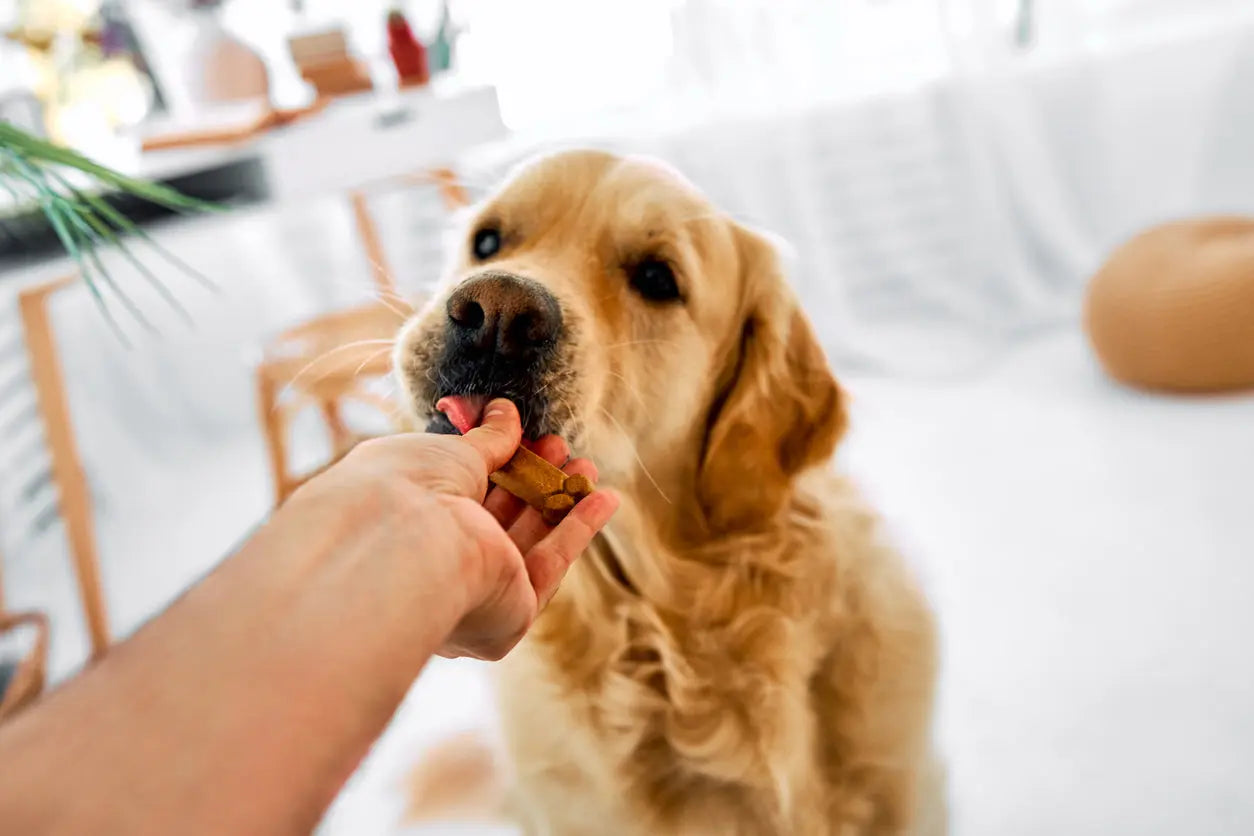
Keeping your dog happy and healthy goes beyond daily walks and regular meals—it also includes the treats you give them. Store-bought dog treats often contain preservatives, artificial flavors, and unnecessary fillers. That’s why more pet parents are turning to homemade frozen treats, especially Pupsicle recipes, as a nutritious, fun, and cost-effective alternative. These frozen delights are easy to make, customizable, and perfect for every season of the year.
In this guide, we’ll explore why homemade pupsicles are a smart choice, which ingredients are safe, and how to make seasonal pupsicle recipes your dog will genuinely love.
Table of Contents
Why Choose Homemade Pupsicles for Your Dog?
Homemade dog treats give you full control over what goes into your dog’s body. Unlike many commercial options, pupsicles made at home can be tailored to your dog’s dietary needs, allergies, and taste preferences.
Key Benefits of Homemade Pupsicles
- Healthier ingredients with no artificial additives
- Hydration support, especially during hot weather
- Mental enrichment through licking and chewing
- Custom nutrition for puppies, adults, or senior dogs
- Budget-friendly compared to premium dog treats
Frozen treats are also excellent for teething puppies, anxious dogs, or pets that need a low-calorie reward.
Dog-Safe Ingredients for Pupsicle Recipes
Before jumping into recipes, it’s important to know which ingredients are safe for dogs and which should be avoided.
Safe & Nutritious Ingredients
- Plain Greek yogurt (unsweetened, xylitol-free)
- Pumpkin purée (100% pure, no spices)
- Peanut butter (xylitol-free)
- Blueberries, strawberries, watermelon (seedless)
- Carrots, cucumber, sweet potato
- Bone broth (low sodium, onion-free)
- Apples (no seeds)
Ingredients to Avoid
- Chocolate
- Grapes or raisins
- Xylitol
- Onions and garlic
- Artificial sweeteners
- Added sugar or salt
Always introduce new ingredients slowly and consult your vet if your dog has health conditions.
Spring Pupsicle Recipes: Light & Fresh Treats
Spring is a time of renewal, making it perfect for light, refreshing pupsicles that support digestion and energy.
Simple Spring Pupsicle Idea
Ingredients:
- Plain yogurt
- Fresh blueberries
- A splash of water
Blend all ingredients and pour into silicone molds. Freeze for 3–4 hours.
Why it works:
Blueberries are rich in antioxidants, while yogurt supports gut health—ideal for dogs becoming more active in spring.
Summer Pupsicle Recipes: Cooling & Hydrating
Summer pupsicles are all about beating the heat. These treats help regulate body temperature and prevent dehydration.
Cooling Summer Pupsicle
Ingredients:
- Watermelon (seedless)
- Coconut water (unsweetened)
- Mint leaves (optional, very small amount)
Blend and freeze.
Benefits:
- High water content keeps dogs hydrated
- Naturally sweet without added sugar
- Gentle on sensitive stomachs
These are especially great after walks or outdoor play.
Fall Pupsicle Recipes: Nutrient-Rich & Comforting
As temperatures cool, dogs still enjoy frozen treats—especially those packed with seasonal nutrients.
Pumpkin Power Pupsicle
Ingredients:
- Pumpkin purée
- Plain yogurt
- Cinnamon (tiny pinch, optional)
Mix thoroughly and freeze.
Why pumpkin?
- Aids digestion
- Helps regulate bowel movements
- Rich in fiber and vitamins
This recipe is particularly helpful for dogs with sensitive digestion.
Winter Pupsicle Recipes: Immune-Boosting Treats
Yes, pupsicles aren’t just for summer. Winter pupsicles can support immunity and dental health while offering enrichment indoors.
Winter Wellness Pupsicle
Ingredients:
- Low-sodium bone broth
- Cooked carrots
- Shredded chicken (plain)
Freeze in layers for added interest.
Winter benefits:
- Supports joint health
- Encourages hydration indoors
- Provides protein and warmth-supporting nutrients
These pupsicles are best served in moderation during colder months.
How Often Should Dogs Have Pupsicles?
Pupsicles should be considered treats, not meal replacements.
General guidelines:
- Small dogs: 1–2 small pupsicles per week
- Medium dogs: 2–3 per week
- Large dogs: 3–4 per week
Portion size matters. Always adjust based on your dog’s size, activity level, and health needs.
Tips for Making Perfect Pupsicles Every Time
- Use silicone molds or ice cube trays for easy removal
- Freeze for at least 3–6 hours
- Store in airtight containers for up to 2 weeks
- Label batches if you try multiple flavors
- Supervise your dog while enjoying frozen treats
For aggressive chewers, slightly thaw the pupsicle to avoid dental stress.
Final Thoughts
Healthy homemade pupsicles are more than just a trendy dog treat—they’re a smart way to support your dog’s nutrition, hydration, and happiness throughout the year. By using safe ingredients and rotating seasonal recipes, you can keep treat time exciting while maintaining your dog’s well-being.
Whether it’s a cooling summer snack or a nutrient-rich winter treat, well-made pupsicles prove that healthy can also be delicious. With a little prep and creativity, your dog gets something special—and you get peace of mind knowing exactly what’s in every bite 🐶❄️🍉